



Self-checkout systems, autonomous carts, and loyalty apps are only the surface-level change visible to customers. The real revolution is happening in company headquarters, where algorithms are increasingly supporting business teams that used to rely on fragmented data and intuition. For the first time in history, retail is moving from guessing to precise forecasting of what used to be unpredictable - how consumers respond to every individual commercial and marketing action.
For years, the retail sector operated in a paradox. On one hand, companies invested millions in marketing and in building price advantage at the cost of margin. On the other hand, key decisions on pricing, promotion timing, promotional mechanics, and markdowns were often made based on experienced managers' "gut feeling" and ubiquitous spreadsheets.

It was clear that the success of promotional campaigns, which depending on the industry account for 15-40% of revenue, depends on 100 and sometimes even 200 different variables - including weather, consumer sentiment, and competitor activity. Many of these factors were not only hard to predict, but practically impossible to account for in full. No human can mentally process correlations between temperature, competitor behavior, shelf placement, store location, and three years of sales history, and then connect all of this with price, promotional mechanics, and media support - for each product separately. According to McKinsey, approximately 59–72% of promotions are ineffective.1
For artificial intelligence, however, this is a natural environment. Modern AI engines analyze more than 120 parameters influencing a customer's purchase decision at the same time. As a result, promotions stop being "intuition-based" and become a precise mathematical process. The outcome? The ability to predict exact commercial results before a campaign starts.
These models allow teams to test different scenarios and estimate how consumers will respond at the shelf level for each product. Moreover, they can suggest parameter values to best match customer expectations while meeting business goals. In practice, this means teams can consciously invest only where it makes sense and delivers the highest return - which translates into at least a 4-7% margin increase. At the scale of a large retail chain, that means not only additional tens of millions in revenue, but also higher customer satisfaction - notes Ernest Wojciulewicz of Brand Oriented, an expert in optimizing commercial processes.
The availability of these solutions means the market is moving beyond the initial excitement around AI. - Excitement has not disappeared, but it is cooling down and companies are beginning to ask for measurable business outcomes. Supporting the promotional process is exactly that kind of low-hanging fruit - adds Wojciulewicz.
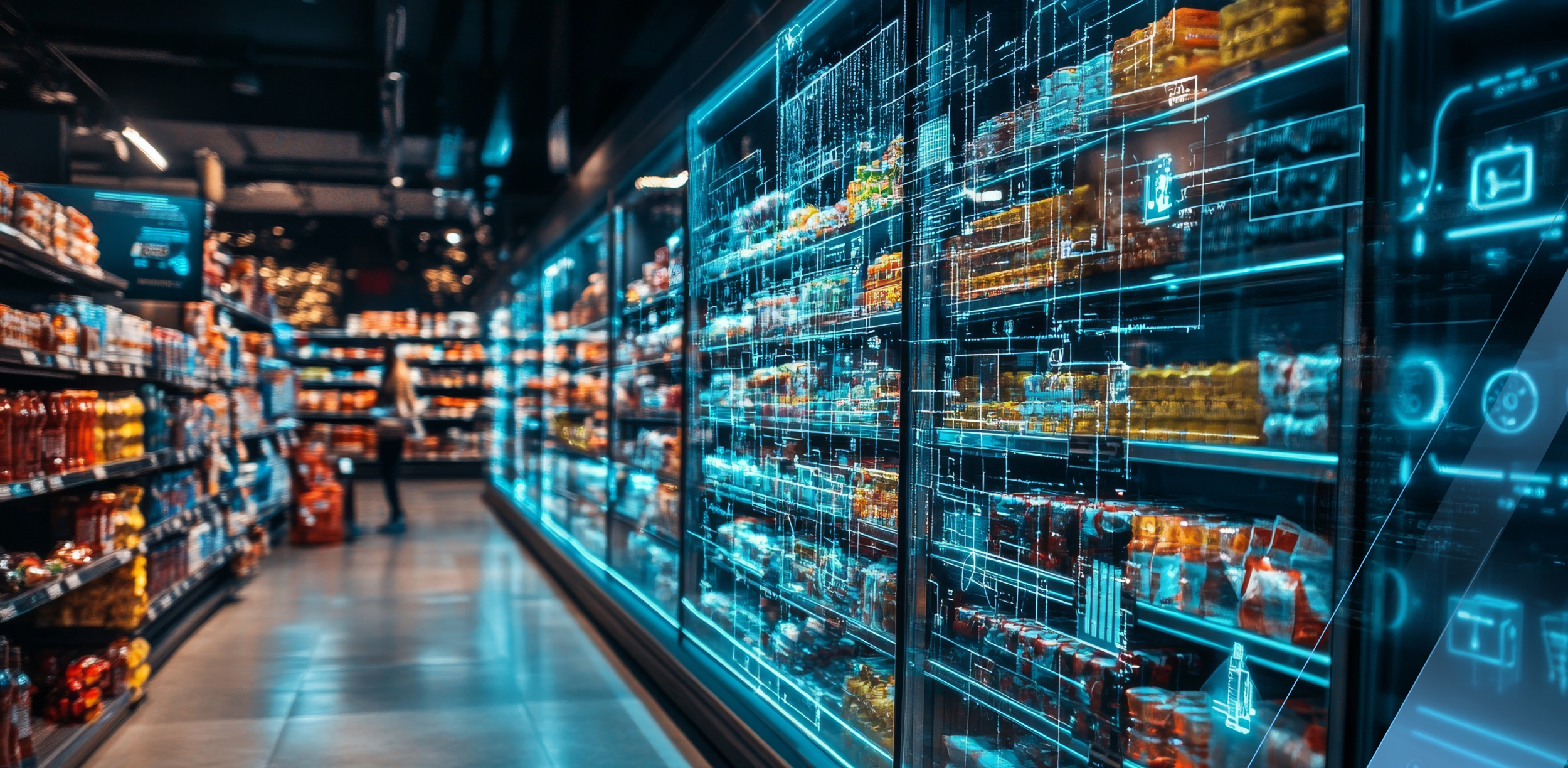
From Guessing to Precise Scenarios
Traditional retail struggled for years with rigid planning, not because teams ignored reality, but because its complexity was impossible to process. The real challenge is not predicting that demand for beverages rises during a heatwave. The challenge is precisely determining how consumers behave in relation to weather when you layer on a specific price, promotion type, marketing intensity, current trends, and even political context.
Until recently, accounting for all these dependencies across thousands of products and specific stores, or across narrow e-commerce customer segments, was simply impossible. In many areas, retailers had to rely on intuition or averaged data. AI changes this perspective fundamentally by removing the need for "guessing".
Thanks to advanced predictive models, retail chains can now get concrete answers: how will demand change for a specific price move? What media budget is required to hit a sales target for a given promotional mechanic?
Technology that supports people in retail will make offers optimal for both organizations and consumers. We all benefit - products will reach shelves exactly where and when they are best aligned with expected demand - emphasizes Wojciulewicz.
Not Only Better Financial Results, But Also Less Food Waste: A Positive Side Effect of the AI Revolution
One of the most promising side effects of this technological precision is reducing food waste. When we can accurately forecast sales of short-shelf-life products, including within promotional activities, the level of write-offs - products sent for disposal - drops almost to zero.
At the scale of large retail networks, this means real environmental impact. It is also one of those moments when ESG initiatives can satisfy CFOs too.
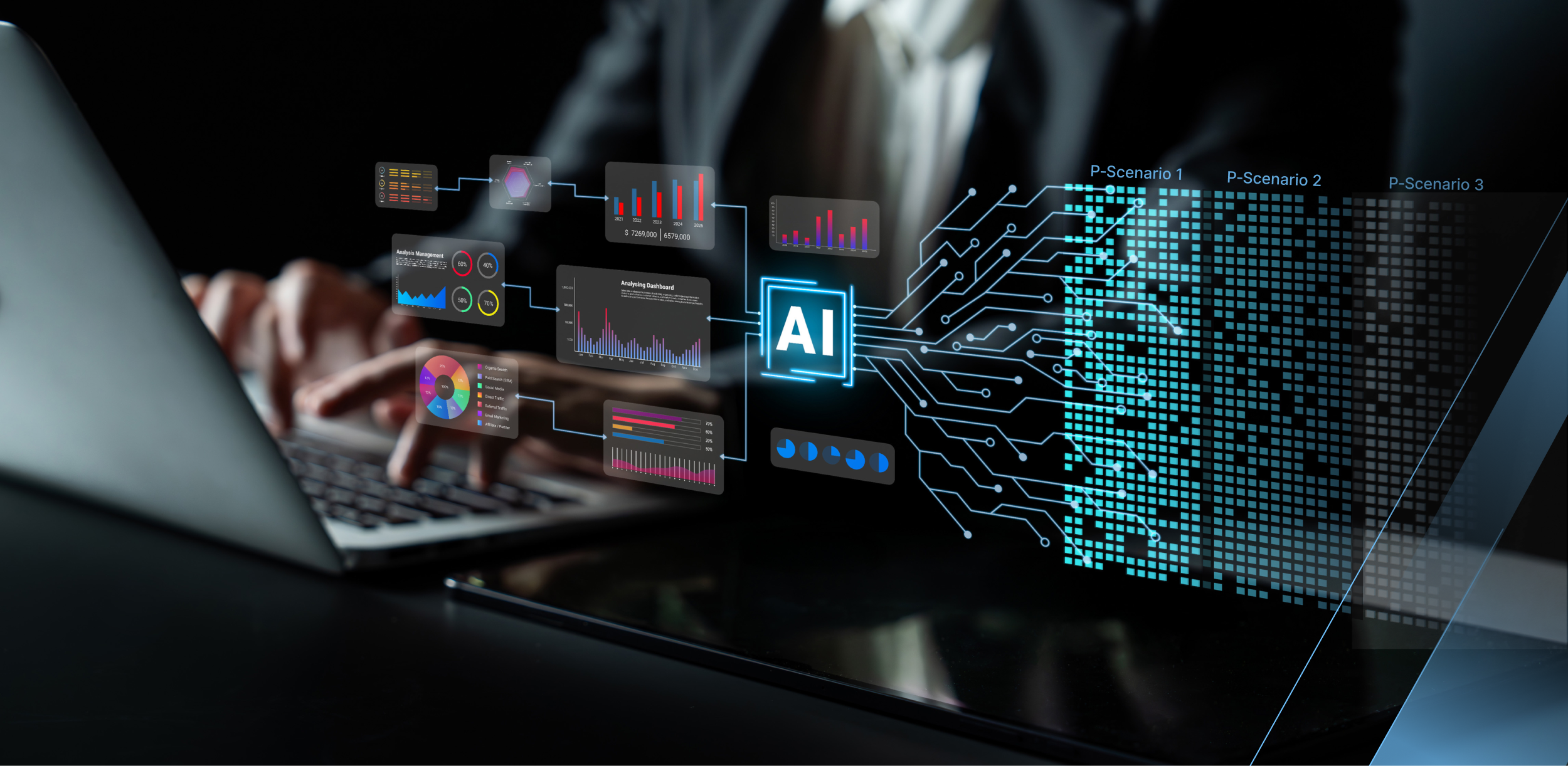
Humans in the Strategist Role
Will the growing role of algorithms take jobs away from business teams? Definitely not. AI is a powerful tool in human hands because it allows people to forecast outcomes of planned decisions and adjust them to deliver goals. But it does not make strategy decisions, and it does not invent new business solutions on its own.
AI handles what the human brain cannot: analyzing thousands of variables and relationships between them. It leaves space for what humans do best: creative strategy building, negotiation, and relationship creation. In this new digital retail reality, a commercial manager is no longer a prisoner of spreadsheets and their limitations, but an architect of the offer, equipped with a powerful forecasting tool to test different scenarios and make business decisions with high confidence.
According to Wojciulewicz, an interesting future is taking shape: Retail is entering an era of precision, where winners will be those who understand that data and technology reduce uncertainty and enable optimal business decisions. These decisions will still be made by talented people, now equipped with knowledge that was previously inaccessible. Speed of action, planning precision, and result confidence will change rapidly. What does not change is that winners remain those who are bold, creative, and understand consumers better than they sometimes understand themselves. AI cannot replace that.


